
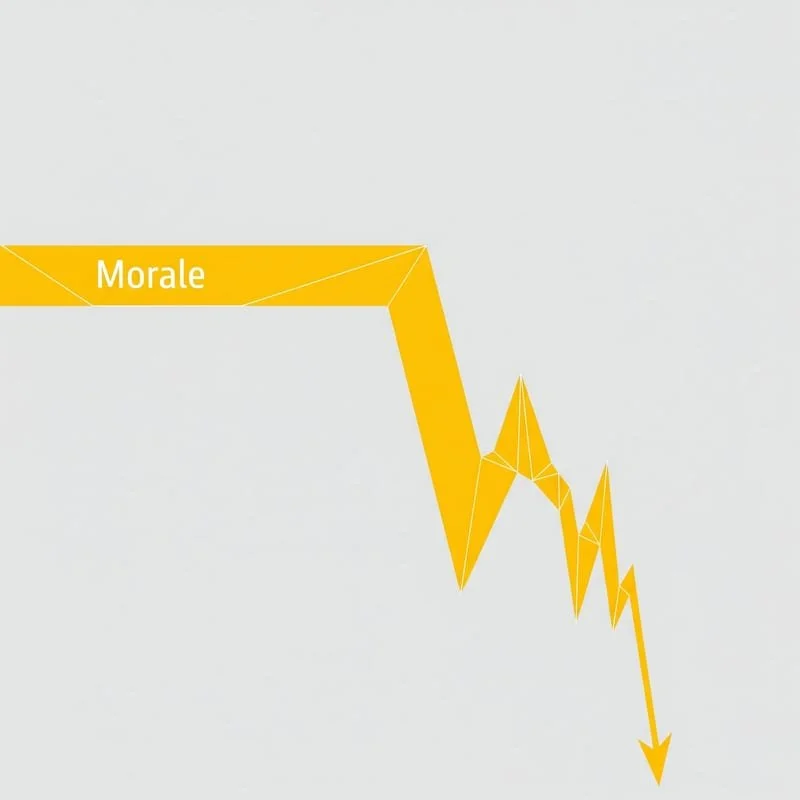
Imagine this: You’re leading a team of smart, committed people. Budgets are tight. Rumors are swirling. You don’t know if you’ll have funding - or even jobs - six months from now. You can’t promise stability. You can’t promise clarity.
So what can you do?
This isn’t a hypothetical for many leaders right now - it’s the daily reality. And it’s where real leadership begins.
Here’s what I’ve learned, taught, and seen in practice: in uncertainty, cheerfulness and enthusiasm are beside the point. In uncertainty, morale isn’t about enthusiasm. It’s about:
- Trust
- Meaning
- Dignity
- Connection
False optimism does nothing for people. They need to feel respected, informed, and part of something real.
1. Name the Uncertainty - Out Loud
Say what you can say, don’t pretend to know what you don’t, and avoid speculation. At the same time, hold the emotional container: “Yes, this is uncertain. No, you are not alone in it.”
Silence breeds isolation. As a leader, name the tension: “It’s hard to stay focused when we don’t know if we’ll be here in six months. Let’s talk about how we want to show up in that uncertainty.”
Key leadership move: Acknowledge fear without feeding it. Look for ways to give back some sense of control and dignity.
2. Focus on Controllable Horizons
People feel lost when everything feels out of their hands. Refocus attention:
- What do we still have influence over?
- What kind of culture do we want to protect right now?
- What values do we not want to let go of?
Even short-term wins (improving a process, finishing a project well, supporting a colleague) are anchors.
3. Build Micro-Dignity into the Everyday
When people fear job loss, they fear being discarded. Leaders must:
- Make time to check in 1:1
- Acknowledge work publicly
- Give feedback with care
Key leadership move: Team climate grows from feeling seen, far more than from a happy mood. Make that part of your leadership practice - especially when futures are unclear.
4. Invite Agency Over Passivity
Even when you can’t control the outcome, you can co-create the response.
“What do we want to be proud of, even if this phase ends?” “What can we influence together?”
Involve the team in scenario planning. Ask:
- What would we do if X happens?
- What do we need in place either way?
Agency - even in ambiguity - is power.
Explore more leadership resources from KS Insight →