

Culture Change Processes
Shift the norms and behaviors that shape how people work together, so culture supports the strategy instead of quietly resisting it.

Move complex systems forward through clarity, alignment, and adaptive action.

System-level change does not happen by accident. We work with leaders to design the conversations, decisions, and coalitions that move stuck systems.
We make the system visible - mapping dynamics, power, incentives, and fault lines so you can see what you are really navigating.
Progress rarely comes from better plans alone. We convene the actors who do not usually sit together - and often do not agree - to work on the same problem.
We help coalitions and leadership teams move from shared diagnosis to aligned momentum, turning insight into concrete priorities, commitments, and next moves.
We stay with the human side of systems change - building shared language, habits, and structures so new patterns of behavior can hold under pressure.
In rooms like these, we help diverse stakeholders see the whole system clearly enough to act together, even when interests, history, and pressure pull them apart.
We have designed national consultations, supported rebel-to-government transitions, mediated across power divides, and guided leadership teams through major transitions and cultural realignments.
Our team brings experience in:
We don’t just map systems - we have led and advised inside them. We help you do the same, building the kind of cross-boundary collaboration that makes change stick.
Through every stage, we stay grounded in the real work of systems change - surfacing what is at stake, making loss discussable, and supporting leaders to hold tension long enough for new solutions and alliances to emerge.
Shift the norms and behaviors that shape how people work together, so culture supports the strategy instead of quietly resisting it.
Culture change processes are designed to:
We combine practical culture design, leadership development, and systems insight to create environments where innovation, inclusion, and accountability can take root and endure.
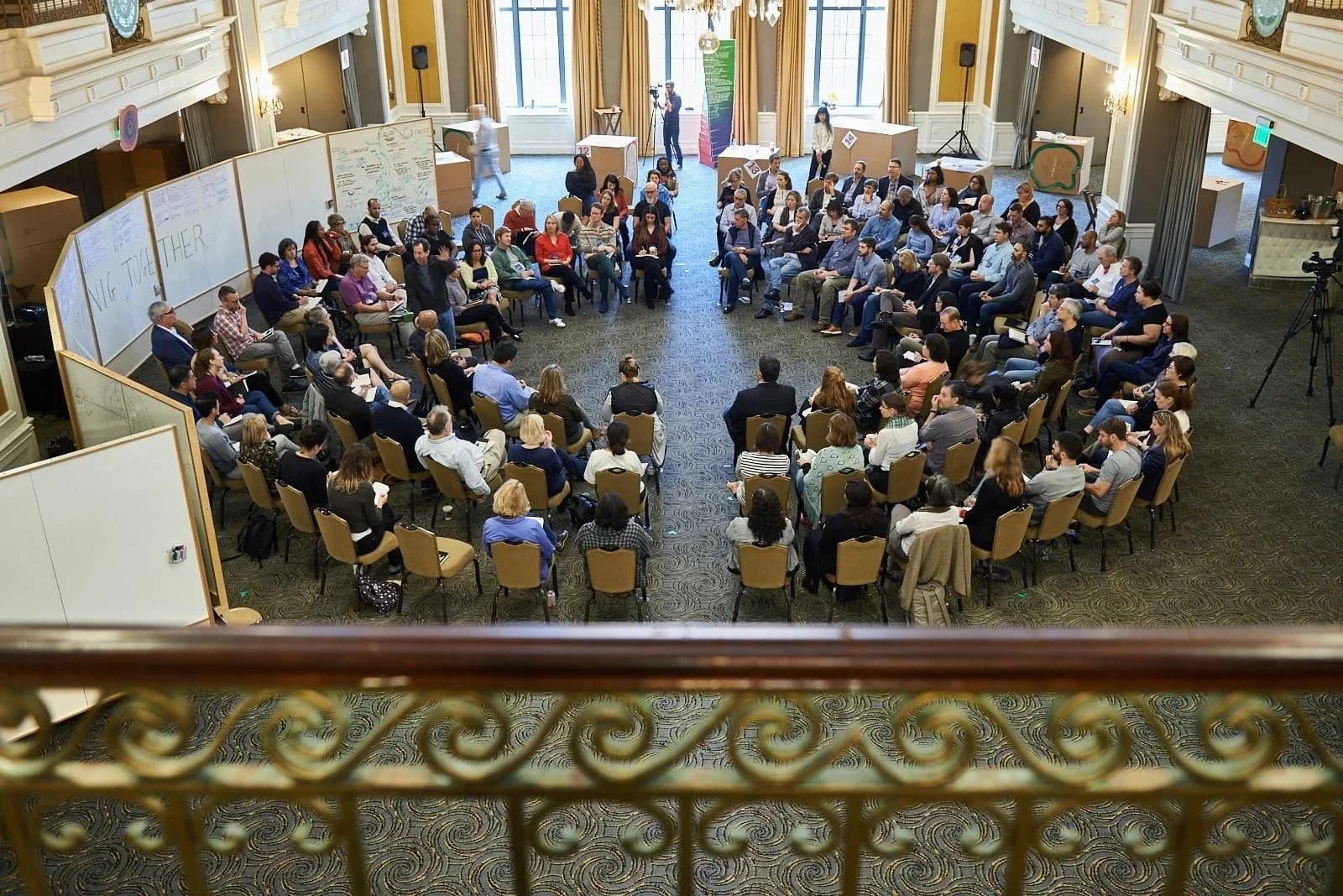
High-impact retreats that bring together diverse stakeholders to build shared understanding and make decisions that no one group can make alone.
These retreats create space for:
We design and facilitate gatherings that change how stakeholders understand one another, how they read the system, and how they work together when they return to their organizations.
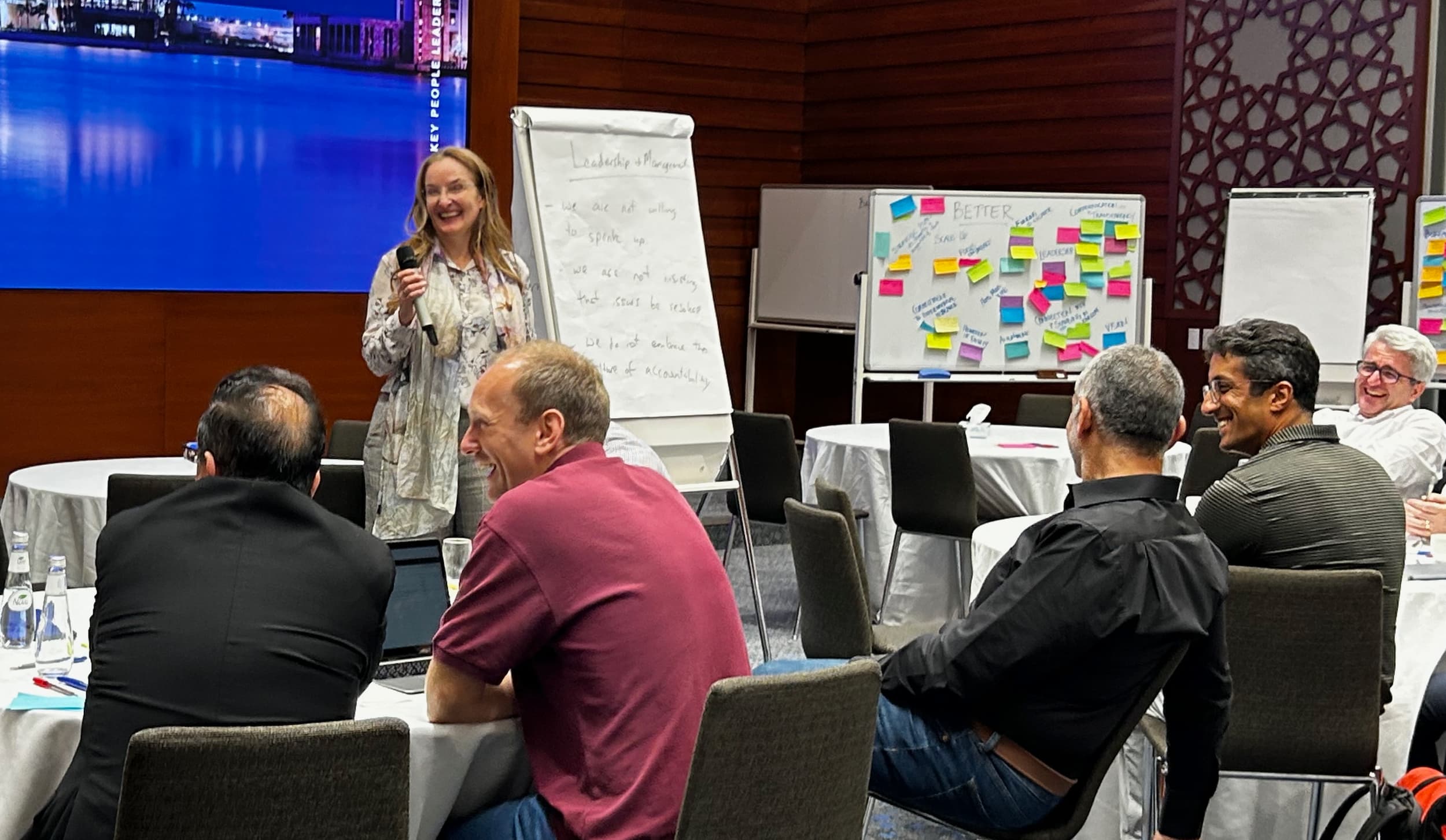
Design and launch collaborative hubs where cross-sector partners can experiment, learn, and scale solutions to complex challenges.
Innovation hubs are designed to:
We help you build the governance, processes, and culture needed for sustained innovation that bridges sectors and translates into real-world impact.
The Women Igniting Leadership Lab is a live example of systems change in motion. It is an immersive leadership experience that builds the capacity, relationships, and strategic clarity required to shift ecosystems - with a focus on women leading at the edge of complexity.
By strengthening networks across sectors and geographies, the Lab equips leaders to navigate uncertainty, align diverse stakeholders, and drive system-level impact long after the formal program ends.
What makes the Lab different
System Analysis
We create visual maps that reveal the web of relationships, interests, and influence patterns shaping your system.
Helps teams:
Deep Understanding
Through interviews, mapping, and cultural assessments, we diagnose what is really happening beneath the surface.
Reveals:
Collaborative Innovation
Based on Linda Hill's research, we create conditions where diverse perspectives collide to spark breakthrough innovation.
The three capabilities:
We help organizations navigate their most complex challenges by bringing together diverse stakeholders, surfacing what is really at stake, and creating the conditions for honest, disciplined collaboration.
Systems change is about how people come together, make sense of complexity, and are willing to move - even when risks, losses, and uncertainty are real.
“Vision without systems thinking ends up painting lovely pictures of the future with no deep understanding of the forces that must be mastered to move from here to there.”
Participants rate themselves on concrete leadership behaviors before and after a program, and we pair those ratings with a team survey on the same behaviors. The client receives an impact report.